Common types of high-pressure die-casting equipment include cold chamber and hot chamber, and there are also many types specially designed for products.High pressure die casting machine is a relatively accurate and efficient production equipment in the modern metal processing industry.
High-pressure die casting (HPDC) is a versatile manufacturing method capable of producing products in a wide variety of shapes. The process involves injecting molten metal at high velocity and pressure into a sealed steel mould cavity. The mould is mounted on the die-casting machine’s platen via its fixed and moving sections.
The injection end of the die-casting machine employs hydraulic and compressed gas systems to drive the piston forward, forcing molten metal into the enclosed steel mould. The clamping end utilises hydraulic and mechanical toggle mechanisms to absorb injection pressure and maintain mould closure during part solidification. This process transforms molten metal into near-net-shape solid components within seconds, demonstrating its versatility across diverse applications.
High pressure die casting machines come in various types depending on the different metal raw materials and product characteristics they process.
HPDC machines are primarily classified based on molten metal injection methods and material compatibility:
Details of different types of high pressure die casting equipment
- Hot-Chamber Die Casting Machine
- Cold-Chamber Die Casting Machine
- Specialized HPDC Machines (Less Common Classifications)
- Key Notes on ClassificationApplications
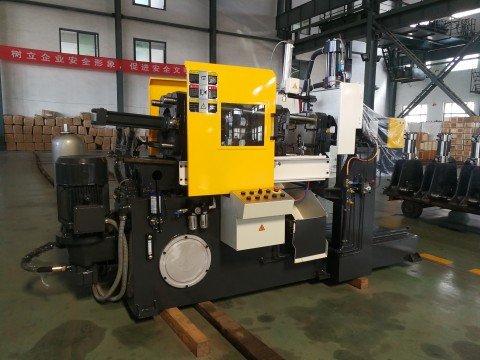
Hot-Chamber Die Casting Machine
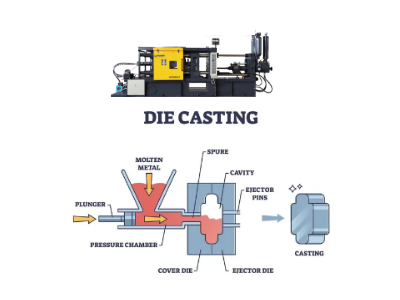
- Features:
- Molten metal is injected directly from a gooseneck (pressure chamber) into the mold cavity.
- Ideal for low-melting-point metals (e.g., zinc, lead, tin).
- Advantages:
- High production speed and efficiency, suitable for high-volume manufacturing.
- Limitations:
- Unsuitable for high-melting-point metals (e.g., aluminum, magnesium) due to corrosion risks in the gooseneck.
Cold-Chamber Die Casting Machine
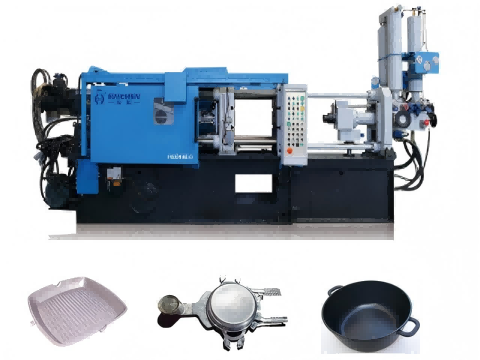
- Features:
- Molten metal is transferred from an external furnace to a separate cold chamber before injection.
- Designed for high-melting-point alloys (e.g., aluminum, magnesium, copper).
- Advantages:
- Higher injection pressure (up to 2×10⁵ kPa) for complex, thin-walled components.
- Subtypes:
- Standard Cold-Chamber HPDC: Widely used for automotive parts (e.g., engine blocks).
- Hybrid Cold-Chamber Systems: Some variants integrate vacuum or optimized cooling.
Specialized HPDC Machines (Less Common Classifications)
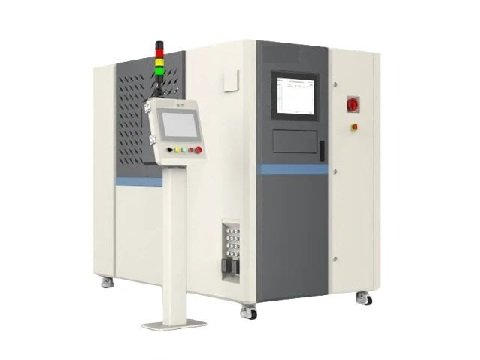
- Multi-Slide Machines:
- Use multiple sliding cores for intricate zinc/magnesium parts (e.g., electronics housings).
- Vacuum-Assisted HPDC:
- Reduces porosity by evacuating air from the mold cavity (critical for aerospace components).
- Squeeze Casting Machines:
- Combine high pressure with slow filling to enhance density (used for metal matrix composites).
Key Notes on Classification
- Debates in Classification: Some sources categorize multi-slide machines as a third major type, but hot-/cold-chamber remains the dominant framework.
- Machine Configurations:
- Clamping systems (horizontal/vertical), vacuum integration, or servo-driven mechanisms further differentiate models (e.g., Ube and Yizumi H-series machines).
Applications
- Hot-Chamber: Consumer electronics (zinc alloy cases), small hardware.
- Cold-Chamber: Automotive aluminum parts, aerospace magnesium components.
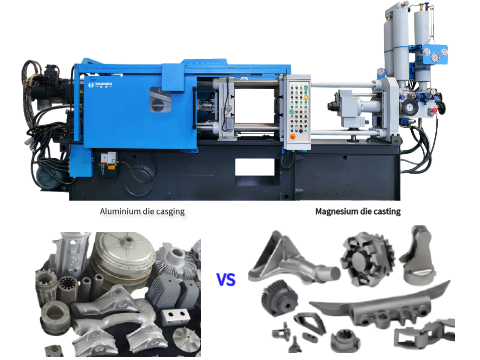
Hot-chamber and cold-chamber machines form the core of HPDC, with specialized variants addressing niche requirements. Selection depends on material properties, part complexity, and production scale.
Due to their low melting point (approximately 420°C) and excellent fluidity, zinc alloys have become the mainstream material for hot-chamber die casting. Typical applications include automotive components and bathroom fittings.
Tonnage range:
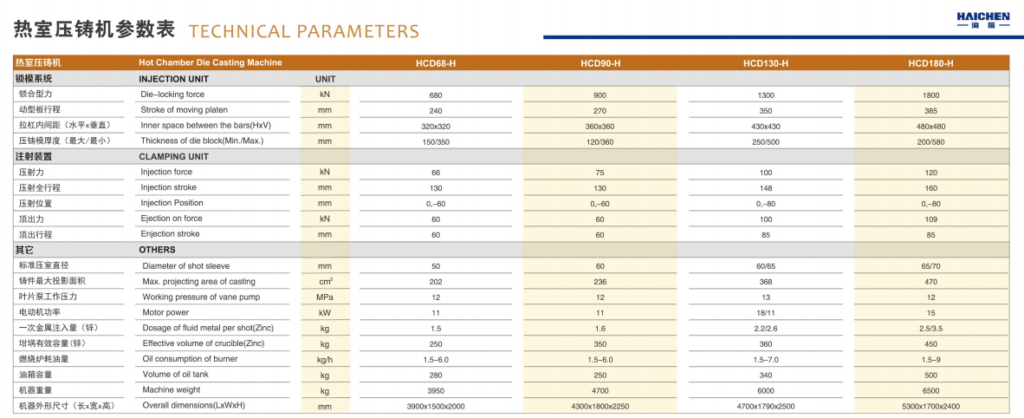
Haichen hot-chamber die casting machines offer clamping forces ranging from 15 tonnes to 280 tonnes, catering to the production requirements of everything from small precision parts to medium-sized components.
For example, our HCD50-H model has a clamping force of 50 tonnes and is suitable for a single injection of 1.1 kg of molten zinc; the HCD180-H model has a clamping force of up to 180 tonnes and can handle a single injection of 2.2–2.6 kg.
What is a high pressure die casting machine?
A high-pressure die casting (HPDC) machine is a specialized equipment for metal forming, designed to inject molten metal into a steel mold cavity under extreme pressure, where it solidifies rapidly. Below is a detailed breakdown of its key features:

- Working Principle & Structure
- Main Types
- Key Technical Parameters
- Advantages & Limitations
- Applications
- Technical Standards
Working Principle & Structure
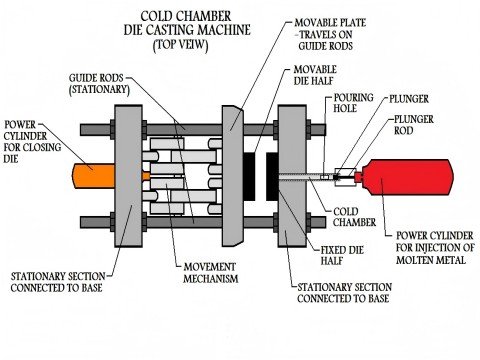
- High-Pressure Injection: A hydraulic or pneumatic system drives a plunger to inject molten metal into the mold at ultra-high pressures (10–200 MPa or 1,000–25,000 PSI) within milliseconds (0.01–0.2 seconds). Injection speeds range from 5–80 m/s, ensuring complete filling of intricate cavities.
- Mold System: Consists of fixed and movable dies clamped by a high locking force (400–8,800 tons) via hydraulic or mechanical toggle mechanisms. For example, Tesla’s gigacasting uses 8,800-ton machines for single-piece underbody production.
- Cooling & Ejection: After solidification, the mold opens automatically, and ejector pins release the casting. Cycle times often take just seconds.
Main Types
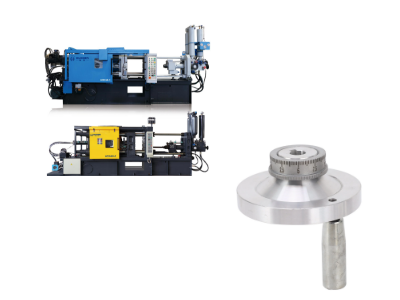
- Cold Chamber Machines: Ideal for high-melting-point metals (e.g., aluminum, magnesium). Molten metal is ladled into a separate injection chamber. Examples include Yizumi’s HII-S series with modular designs and smart controls.
- Hot Chamber Machines: Directly pump low-melting-point metals (e.g., zinc) from an integrated furnace via a gooseneck. Faster but limited to lower pressures.
- Specialized Variants: Vacuum-assisted (reduces porosity), dual-injection (enhances density), and hybrid systems.
Key Technical Parameters
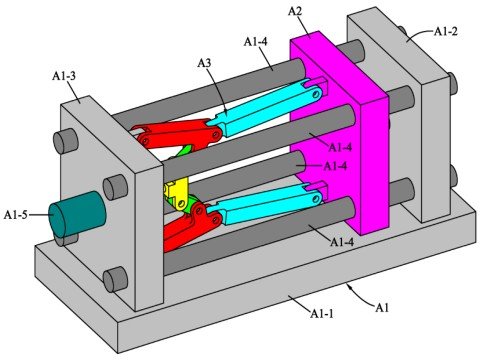
- Clamping Force: Primary metric determining part size. Standard machines range from 400 to 4,000 tons, while automotive gigacasting requires ultra-large machines (e.g., 8,800 tons).
- Injection Performance: Example specs include a plunger diameter of 1.375 inches, hydraulic boost ratio of 8.46:1, max injection pressure of 17,000 PSI, and adjustable speeds of 64–114 ft/min.
- Automation: Integrated spraying, part removal, and trimming systems form fully automated “die casting cells.”
Advantages & Limitations
- Advantages:
- Produces thin-walled (0.5mm for aluminum), complex geometries with high surface finish (Ra 1.6–6.3 μm), minimizing post-processing.
- High productivity for mass production (e.g., millions of automotive parts annually).
- Limitations:
- High equipment costs (especially large machines); molds degrade due to thermal fatigue.
- Internal porosity risks require post-treatment or vacuum-assisted processes.
Applications
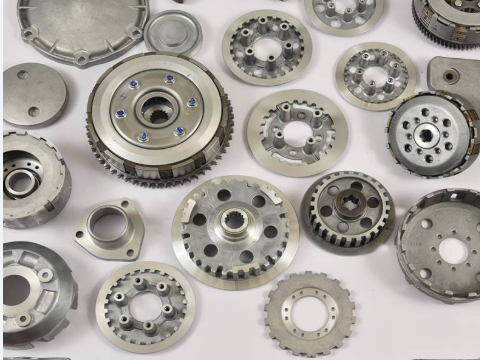
- Automotive: Engine blocks, transmission housings, structural components (e.g., Tesla Model Y rear underbody).
- 3C Electronics: Laptop casings, heat sinks.
- Appliances: AC compressor parts, lighting fixtures.
Technical Standards
- Precision: Mold parallelism tolerance ≤0.05–0.1 mm/m; plunger-to-chamber concentricity ≤0.05 mm.
- Safety: Complies with GB 5226.1 electrical standards, with emergency stops and safety doors.
High-pressure die casting machines combine precision engineering and high-pressure technology to enable efficient, high-accuracy metal part production. They are indispensable in modern manufacturing, evolving toward larger tonnage, smarter automation (real-time monitoring), and sustainability (energy-efficient servo systems).
Cold Chamber vs. Hot Chamber Die Casting Machines
Comparison Table
| Factor | Cold Chamber Machine | Hot Chamber Machine |
|---|---|---|
| Working Principle | The injection chamber stays separate from the furnace. Operators ladle molten metal from an external furnace into the injection chamber before each shot. | The injection chamber and plunger sit directly in the molten metal bath. The metal flows automatically into the mold through a gooseneck channel. |
| Applicable Alloys | High‑melting‑point alloys, such as aluminum, magnesium, copper, and their alloys. | Low‑melting‑point alloys, such as zinc, lead, tin, and some small magnesium parts. |
| Production Efficiency | Lower efficiency because operators need extra pouring steps, so the cycle time is longer. | Very high efficiency – about twice as fast as a cold chamber machine of the same tonnage. Automation makes the cycle quick. |
| Product Quality | Good quality. The metal melts outside, so operators control the temperature precisely. However, pouring can trap some gas. | More stable quality. The injection chamber sits below the metal surface, which reduces air and oxide inclusion. Temperature stays steady. |
Cold Chamber Die Casting Machine
Key Features :
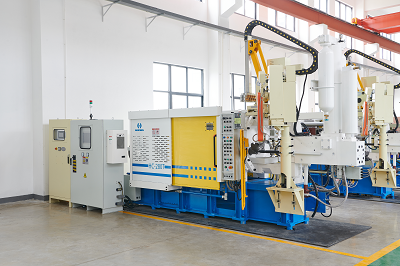
- This machine handles high‑melting‑point metals such as aluminum, magnesium, and copper alloys.
- Operators pour molten metal from a separate furnace into the injection chamber for each cycle.
- The process requires extra time for pouring, so it produces parts at a slower rate than a hot chamber machine.
- The machine delivers good casting quality because operators can control the metal temperature precisely.
- It works well for large, heavy parts and structural components.
Applications:
- Automotive industry produces engine blocks, transmission housings, and wheel rims.
- Industrial machinery manufacturers use it for pump bodies and heavy equipment parts.
- Electronics companies make large, heat‑dissipating housings with this machine.
Hot Chamber Die Casting Machine

Key Features :
- This machine works with low‑melting‑point metals, primarily zinc, tin, and lead alloys.
- The injection system sits directly inside the molten metal bath.
- The machine automatically fills the injection chamber without manual pouring.
- It cycles faster (often twice as fast as a cold chamber machine) because operators do not need to ladle metal.
- The process traps less air and oxides, so it produces dense, high‑quality parts with fewer pores.
Applications:
- Factories produce small, thin‑wall components such as electronic connectors and switch housings.
- Hardware manufacturers make locks, zippers, handles, and decorative parts.
- Medical device companies cast small precision parts like instrument bodies.
Haichen High Pressure Die Casting Machine
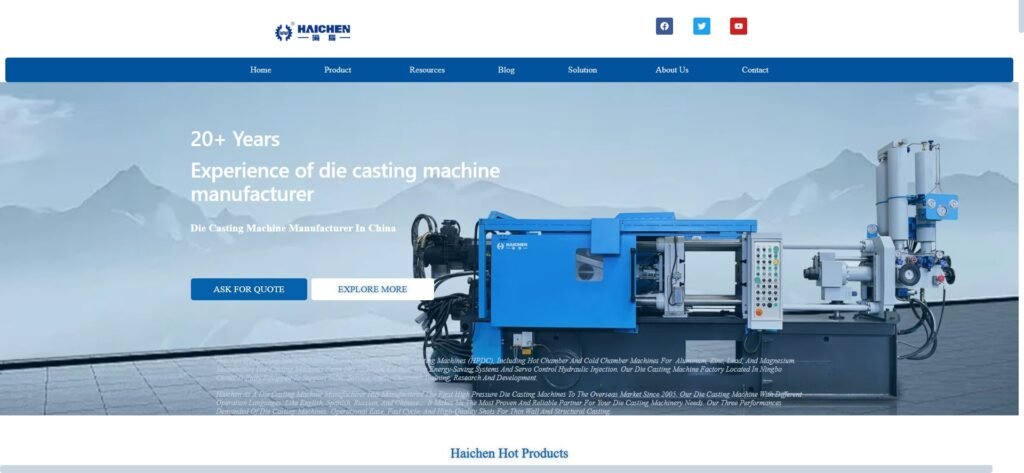
Haichen is Chinese enterprise specializing in the R&D and manufacturing of high-pressure die casting machines, with over 20 years of industry experience. Its products are renowned for high precision, durability, and technological innovation. Below are the key features and technical details of Haichen’s high-pressure die casting machines:
- Product Types & Structure
- Core Technologies
- Applications
- Material Compatibility
- Additional Features & Services
- Model Specifications
- Clarifications
Product Types & Structure
- Cold Chamber Machines:
- Designed for high-melting-point metals (e.g., aluminum, magnesium alloys).
- External furnace design: Molten metal is injected into molds via a ladle.
- Examples:
- Aluminum Radiator-Specific Models: Support complex mold designs with multi-stage pressure control (up to 127.3 MPa) and digital temperature management for high thermal conductivity and structural integrity.
- Large-Tonnage Models: E.g., the 2080-ton cold chamber machine for automotive structural parts, equipped with PLC control and auto-lubrication systems. Max casting thickness: 1600 mm.
- Hot Chamber Machines:
- Optimized for low-melting-point metals (e.g., zinc, lead).
- Integrated furnace and injection system for efficient operation (tonnage range: 15–280 tons).
- Applications: Zinc alloy door handles, medals, and small precision components.
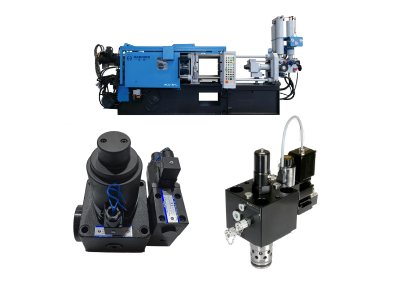
Core Technologies
- High-Precision Control:
- Servo motor-driven injection (speed up to 4 m/s).
- Multi-stage pressure regulation (e.g., 4-stage injection) minimizes internal defects.
- Hydraulic System:
- German/Japanese hydraulic components and proportional valves ensure energy efficiency (20–30% lower energy consumption vs. traditional models) and low noise.
- Smart Operation:
- Siemens PLC + touchscreen interface with multi-language support.
- Stores parameters for multiple molds, enhancing production flexibility.
Applications
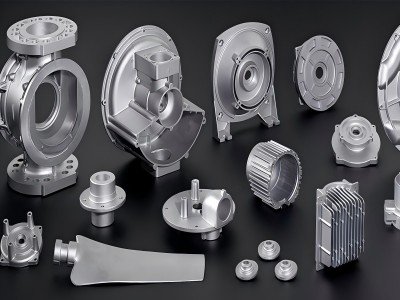
- Automotive: Engine components, lightweight structural parts (e.g., aluminum chassis), radiators.
- Consumer Electronics & Appliances: LED housings, lock cores, AC parts (dimensional tolerance: ±0.05 mm).
- Hardware & Tools: Zinc alloy handles, pipe fittings, enabled by quick mold change (<10 minutes).
Material Compatibility
- Cold Chamber:
- Aluminum alloys (AA380, AA384), magnesium alloys.
- Vacuum casting reduces porosity, improving density.
- Hot Chamber:
- Zinc alloys (Zamak series) with pre-solidification treatment for thin-walled complex parts.
Additional Features & Services
- Automation: Optional robotics, auto-spray systems, and mold temperature control for fully automated “die casting islands.”
- Certifications & Support: CE and ISO9001 certified, 12-month warranty, global technical support (exported to 30+ countries).
Model Specifications
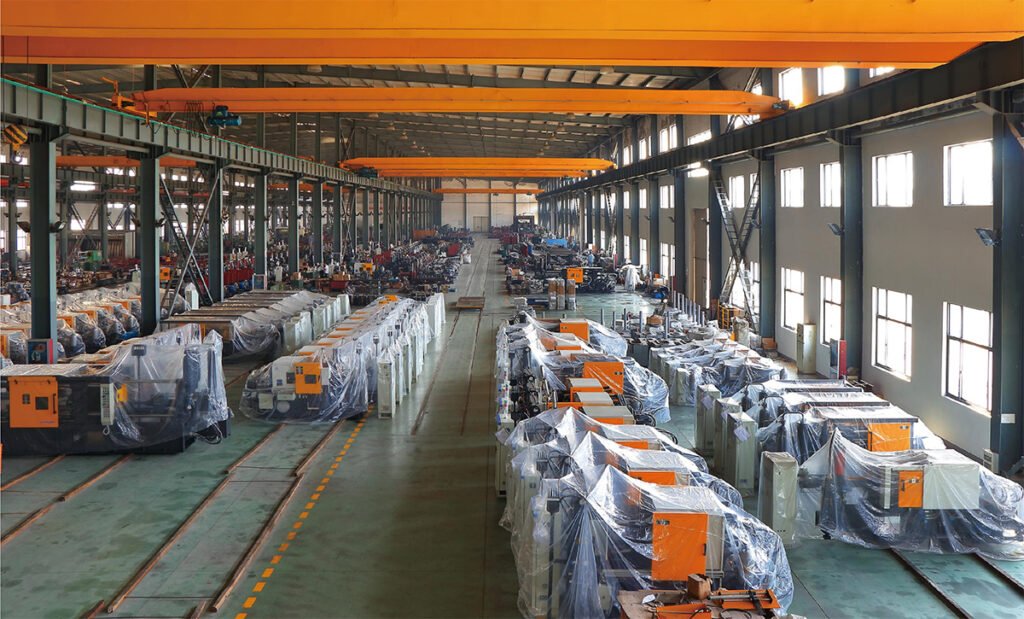
- Small Cold Chamber (HCD 25-ton):
- Injection weight: 0.4 kg (aluminum).
- Dimensions: 3150×1100×1300 mm.
- Mid-Sized (HCD 200-C):
- Clamping force: 2000 kN.
- Projected area: 141–700 cm² (auto parts).
- Large (2080-ton):
- Ejector force: 650 kN.
- Oil tank capacity: 3500 L (heavy-duty components).
Clarifications
- Cold chamber machines are used for high-melting-point metals (aluminum/magnesium), while hot chamber machines handle low-melting-point metals (zinc/lead). Previous references to cold chambers for “low-melting alloys” were likely an error.
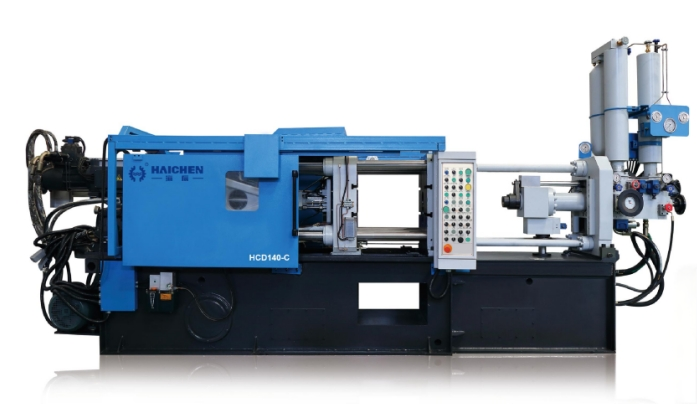
Haichen’s machines excel in complex, high-precision manufacturing for automotive, electronics, and industrial sectors, combining cutting-edge technology with global reliability.


