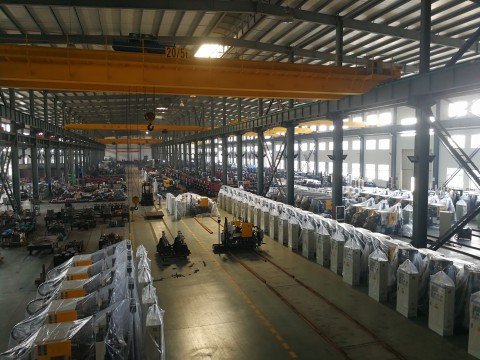
Hot chamber die casting metals include zinc, magnesium, tin, and lead, chosen for their low melting points, good fluidity, and ability to produce high-quality, intricate parts efficiently. The hot chamber die casting process is an order of magnitude faster than other casting methods and allows greater detail and precision for lower melting point metals.
Metal type is the most important decision for the die’s structure and functionality. In hot chamber die casting, the following metals are used and described in detail to help you select the right material for your application.
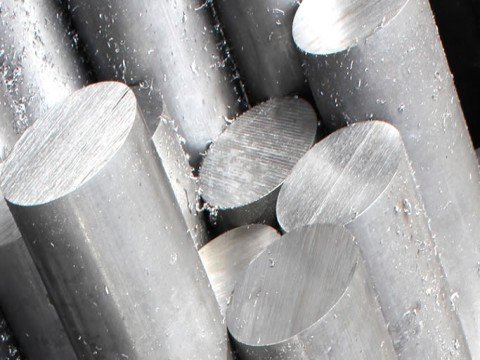
Hot Chamber Die Casting Metals Overview
Zinc Alloys
Hot chamber die casting uses zinc more than other metals. Its melting point of 420°C is relatively low and works fluently with producing thin-walled and elaborate pieces. Zinc alloys like the Zamak zinc alloy with aluminum, magnesium, and copper have high strength with good corrosion resistance while maintaining a strong surface. Zinc alloys are used in the automotive and electronics industry, in addition to consumer products.
Magnesium Alloys
Magnesium is the lightest in weight out of other hot chamber die casting metals, which is an advantage for lightweight use. They have high strength to weight ratio, good stability, and damping. They are used in the auto and aerospace industry for engine parts, transmission cases and other structural parts. Magnesium has a low melting point of 650°C and good fluidity, which is great for hot chamber die casting.
Tin Alloys
The uses of tin in hot chamber die casting include its low melting point of 232°C and superb corrosion resistance. Tin-antimony and tin-bismuth alloys are known for their excellent surface finish and dimensional accuracy. These alloys are frequently utilized in sectors that demand substantial resistance to corrosion, along with good electric conductivity, such as in plumbing and electronic components.
Lead Alloys
Lead has its uses in hot chamber die casting because of its good corrosion resistance and low melting point of 327°C. These properties are particularly useful for applications requiring radiation shielding, such as in medical and nuclear industries. Despite this, lead is an extremely hazardous material, and with growing concern for the environment, the material is being substituted with safer alternatives.
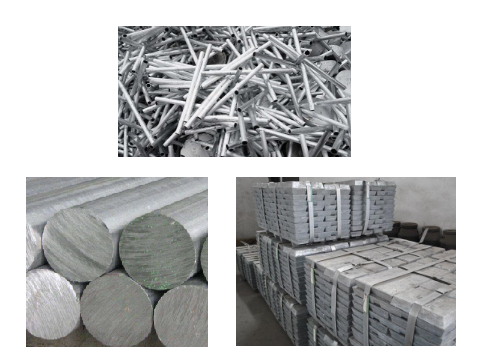
Material Selection for Hot Chamber Die Casting Metals
Melting Point and Equipment Compatibility
For hot chamber die casting machines, the upper design temperature limit is 450°C. The best choices are zinc, magnesium, and lead-tin alloys because they have low melting points that work within this limit.
Flowability
Zinc alloys are best for both flowability and temperature. They operate at 385°C and optimally fill structures down to 0.4mm thickness. Magnesium alloys require strict oxidation control with an inert gas shield, or they risk flowability issues.
Economics and Production Efficiency
Zinc alloys: Hot chamber die casting has a high material use efficiency of over 95% and a fast cycle time of 15-20 cycles per minute. Magnesium alloys are lighter in weight but more expensive than other types of metals.
Environmental Protection and Sustainability
Lead alloys are being phased out due to environmental regulations. Zinc and magnesium alloys fully align with green trends as they are 100% recyclable.
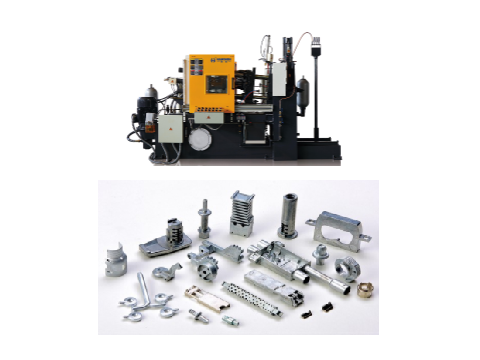
Applications of Hot Chamber Die Casting Metals
| Metal | Applications | Representative Products |
|---|---|---|
| Zinc Alloys | Automotive, Electronics, Consumer Goods | Door handles, gears, connectors, housings |
| Magnesium Alloys | Automotive Lightweighting, Aerospace, 3C Products | Steering wheel frames, laptop cases, drone components |
| Lead-Tin Alloys | Electronics, Specialty Counterweights | Solders, counterweights, radiation shielding |

Frequently Asked Questions
Q: What are the most common hot chamber die casting metals
A: The most common hot chamber die casting metals are zinc, magnesium, tin, and lead. Zinc is the most widely used due to its excellent fluidity and low melting point. Learn more about die casting on Wikipedia.
Q: Why is zinc the most commonly used metal in hot chamber die casting
A: Zinc has a low melting point of 420°C, excellent fluidity for thin-wall parts, high strength, good corrosion resistance, and a cycle time of 15-20 shots per minute with over 95% material efficiency.
Q: What is the lightest hot chamber die casting metal
A: Magnesium is the lightest hot chamber die casting metal, weighing about 33% less than aluminum and 75% less than steel, making it ideal for automotive and aerospace weight reduction.
Q: What is the temperature limit for hot chamber die casting machines
A: Hot chamber die casting machines have an upper design temperature limit of 450°C. This is why only low-melting-point metals like zinc, magnesium, tin, and lead are suitable for the process.
Q: Is lead still used in hot chamber die casting
A: Lead is still used for specialized applications requiring radiation shielding. But it is being phased out due to environmental and health concerns. Zinc and magnesium are preferred sustainable alternatives.