The vacuum die casting process removes air and gases from the die cavity before and during high-speed metal filling.
By reducing the amount of trapped gas inside the mold, a vacuum system can help control gas porosity and improve the internal quality of high-pressure die castings.

However, the vacuum system does not simply turn on a pump before injection.
A complete die casting vacuum cycle requires coordination between the vacuum pump, vacuum tank, piping, valve, mold venting system, and die casting machine controls.
This guide explains step by step how a vacuum system works during a high-pressure die casting cycle.
What Is Vacuum Die Casting?
Vacuum die casting is a form of high-pressure die casting in which air is evacuated from the mold cavity before molten metal completely fills the die.
In conventional high-pressure die casting, the metal front moves through the runners and cavity at high speed. Air inside the cavity must escape through vents.
If the air cannot escape quickly enough, it can become trapped in the molten metal and contribute to gas porosity.
A vacuum system creates a pressure difference between the mold cavity and a vacuum source. This helps remove cavity air before the metal reaches the vacuum vent.
Vacuum assistance is commonly considered for castings that require:
- Lower gas porosity
- Better internal quality
- Improved leak tightness
- Thin-wall filling
- More consistent mechanical properties
- Reduced risk of gas-related defects
The actual benefit depends on mold design, sealing, alloy, process settings, vacuum performance, and casting geometry.
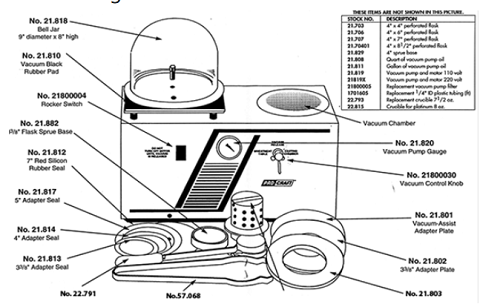
Main Components of a Die Casting Vacuum System
A typical vacuum system works together with several components.
Vacuum Pump
The vacuum pump removes air from the vacuum tank and maintains the required vacuum condition between casting cycles.
The pump must provide sufficient pumping capacity for the selected system.
Vacuum Tank
The vacuum tank acts as a vacuum reservoir.
This is important because the available evacuation time during high-pressure die casting can be very short.
Instead of relying only on the pump to evacuate the mold cavity at the moment of injection, the system creates a vacuum in the tank in advance.
When the vacuum valve opens, the pressure difference between the tank and cavity allows air to move rapidly out of the die.
Vacuum Valve
The vacuum valve controls the connection between the mold cavity and the vacuum system.
It must remain open long enough to remove cavity air but close before molten metal can enter the vacuum pipeline.
Depending on the system and mold design, the valve may operate mechanically, hydraulically, pneumatically, or through an electronically controlled system.
Vacuum Pipe
Vacuum piping connects the mold, valve, tank, and pumping system.
Poor pipe design can increase flow resistance and slow evacuation.
Leaks in fittings, hoses, or seals can also prevent the system from reaching the required vacuum level.
Sensors and Control System
Pressure sensors and machine controls monitor the vacuum cycle.
In more advanced systems, vacuum data can be recorded for every shot and used for process monitoring and quality control.
How Does the Vacuum Die Casting Process Work?
The following steps explain a typical vacuum-assisted high-pressure die casting cycle.
Step 1: Prepare the Vacuum System
Before the casting cycle begins, the vacuum pump evacuates the vacuum tank.
The purpose is to create a low-pressure reservoir before the mold cavity needs to be evacuated.
The vacuum pump may operate continuously or according to the system’s control strategy.
At this stage, the mold cavity is not necessarily connected directly to the vacuum tank because the vacuum valve remains closed.
Step 2: Close and Clamp the Mold
The die casting mold closes and the machine applies the required clamping force.
For vacuum die casting, mold sealing is particularly important.
Air leakage can occur through:
- Parting lines
- Ejector pins
- Slides
- Core mechanisms
- Vacuum pipe connections
- Valve connections
If outside air continuously enters the mold, the vacuum system may not reach the required cavity pressure even when the pump and tank are working correctly.
Therefore, checking mold sealing should be part of vacuum-system troubleshooting.
Step 3: Introduce Molten Metal Into the Shot Sleeve
For aluminum high-pressure die casting, molten aluminum is normally transferred into the shot sleeve of a cold chamber die casting machine.
At this point, the plunger begins the first injection phase.
The first-stage plunger movement should push the molten metal forward while controlling excessive turbulence and air entrapment in the shot sleeve.
Vacuum performance cannot completely compensate for poor shot-sleeve filling or an unsuitable first-stage injection profile.
Step 4: Open the Vacuum Valve
At a defined point in the injection cycle, the vacuum valve connects the mold cavity to the vacuum system.
The pressure difference causes air inside the mold cavity and runner system to flow toward the vacuum tank.
Because the tank has already been evacuated, the system can remove a relatively large volume of gas within a short period.
The timing of this step is critical.
Opening too late reduces the effective evacuation time.
Poor coordination can also prevent the cavity from reaching the desired vacuum before high-speed filling begins.
Step 5: Evacuate the Mold Cavity
Air moves through the mold venting channels and vacuum valve toward the vacuum tank.
The actual evacuation performance depends on more than the pump specification.
Important factors include:
- Vacuum tank volume
- Pipe diameter
- Pipe length
- Valve flow capacity
- Venting cross-sectional area
- Mold leakage
- Evacuation time
- Starting pressure in the vacuum tank
A strong vacuum pump cannot solve a severely restricted venting path or a leaking mold by itself.
Therefore, the complete system should be evaluated as one flow path.
Step 6: Switch to High-Speed Injection
Once the plunger reaches the programmed position, the die casting machine switches to the high-speed filling phase.
The molten metal passes through the gate and rapidly fills the cavity.
Because much of the cavity air has already been removed, there is less gas available to become trapped in the molten metal.
This is one reason vacuum-assisted die casting can help reduce gas-related porosity.
However, metal-flow design remains important.
Poor runner design, excessive turbulence, unsuitable gate velocity, and incorrect injection settings can still create casting defects even when a vacuum system is installed.
Step 7: Close the Vacuum Valve
The vacuum connection must be shut before molten metal enters the vacuum pipeline.
Different systems use different methods to control this moment.
The valve may close according to:
- Metal arrival
- Mechanical movement
- Plunger position
- Time
- Pressure signal
- Electronic control
Correct valve timing protects the vacuum system and maintains process stability.
If the valve closes too early, air may remain in the cavity.
If it closes too late, molten metal can enter the valve or exhaust path.
Step 8: Intensification and Solidification
After the mold cavity is filled, the machine enters the pressure intensification and solidification stage.
Injection pressure is maintained according to the casting process requirements while the metal solidifies.
Vacuum mainly helps control gas in the cavity during filling. It does not eliminate shrinkage-related defects caused by poor feeding, thermal imbalance, or unsuitable process parameters.
For this reason, vacuum should be combined with correct:
- Intensification pressure
- Mold temperature
- Metal temperature
- Cooling
- Gate design
- Overflow design
Step 9: Open the Mold and Eject the Casting
After sufficient solidification, the die opens and the casting is ejected.
The normal production sequence then continues with operations such as:
- Cooling
- Trimming
- Deburring
- Shot blasting
- Machining
- Leak testing
- Inspection
The vacuum system simultaneously prepares for the next cycle by restoring the required vacuum condition in the tank.
Step 10: Repeat and Monitor the Vacuum Cycle
In mass production, vacuum performance should be monitored continuously rather than checked only during machine setup.
Useful process data can include:
- Tank pressure before the shot
- Cavity vacuum level
- Evacuation time
- Valve timing
- Pressure curve
- Alarm history
Monitoring these parameters can help identify gradual problems such as leakage, filter blockage, valve wear, or reduced pump performance.
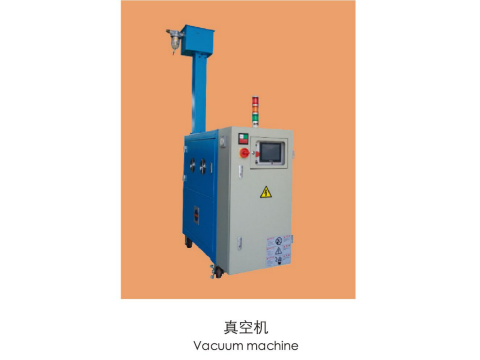
Vacuum Die Casting Cycle at a Glance
| Stage | Vacuum System Action | Main Purpose |
|---|---|---|
| Before cycle | Pump evacuates vacuum tank | Store vacuum capacity |
| Mold closing | Valve remains closed | Prepare sealed cavity |
| First-stage injection | System prepares for evacuation | Control shot sleeve filling |
| Vacuum valve opens | Cavity connects to vacuum tank | Remove mold cavity air |
| Evacuation | Air flows out of cavity | Reduce trapped gas |
| High-speed filling | Vacuum remains effective | Support low-gas filling |
| Metal approaches vent | Vacuum valve closes | Prevent metal entering vacuum line |
| Intensification | Vacuum cycle ends | Casting solidifies under pressure |
| Mold opens | Tank prepares for next shot | Repeat production cycle |
Why Is the Vacuum Tank Important?
One common misunderstanding is that the vacuum pump alone removes all the air from the mold during the injection cycle.
In reality, high-pressure die casting takes place very quickly.
The available time for cavity evacuation can be short, especially for thin-wall and high-speed applications.
The vacuum tank provides previously established vacuum capacity.
When the valve opens, the pressure difference between the mold cavity and tank allows rapid gas evacuation.
Therefore, vacuum tank selection should consider:
- Mold cavity volume
- Runner volume
- Required evacuation speed
- Target pressure
- Vacuum pump capacity
- Cycle time
A tank that is too small may lose vacuum too quickly.
An unnecessarily large tank may increase system size and evacuation time between cycles.
The vacuum system should therefore be sized according to the actual casting application.
What Happens If the Vacuum System Does Not Work Properly?
Several problems can reduce vacuum performance.
Mold Leakage
Air entering through the mold parting line, ejector pins, slides, or seals can prevent the required vacuum from developing.
Blocked Vacuum Channel
Metal residue, lubricant, dust, or oxidation can restrict the venting channel.
This reduces gas flow even if the vacuum pump is operating normally.
Vacuum Valve Problems
A worn, contaminated, incorrectly timed, or slow valve can reduce effective evacuation.
Vacuum Pipe Leakage
Loose fittings or damaged hoses allow outside air into the system.
Insufficient Tank Vacuum
If the vacuum pump cannot restore the tank pressure before the next cycle, vacuum performance can gradually become unstable during continuous production.
Incorrect Injection Timing
The vacuum system and injection profile must work together.
If high-speed filling begins before sufficient evacuation occurs, the available vacuum time may be too short.
Does Vacuum Die Casting Eliminate All Porosity?
No.
Vacuum die casting primarily helps reduce porosity associated with trapped cavity gas.
Die castings can also contain defects caused by:
- Solidification shrinkage
- Dissolved gas in the melt
- Oxides
- Poor metal temperature
- Incorrect injection parameters
- Poor gating
- Thermal imbalance
Therefore, vacuum should be considered one part of the complete die casting process rather than a universal solution for every porosity problem.
How to Select a Vacuum System for a Die Casting Machine
Before selecting a vacuum system, collect information about the casting and production requirements.
Important information includes:
- Die casting machine tonnage
- Casting dimensions
- Casting weight
- Alloy
- Mold cavity volume
- Runner design
- Number of cavities
- Required cycle time
- Leak-tightness requirements
- Heat-treatment requirements
- Required casting quality
- Existing vacuum valve design
The vacuum system supplier can then evaluate the required pump capacity, vacuum tank, valve, piping, and control configuration.
Haichen Vacuum System for Die Casting Machines
Haichen provides auxiliary equipment for cold chamber and hot chamber die casting production lines, including vacuum systems.
A vacuum system can include:
- Vacuum pump
- Vacuum tank
- Vacuum valve
- Vacuum piping
- Sensors
- Control system
The required configuration depends on the die casting machine, mold, casting size, quality requirements, and production cycle.
For high-pressure aluminum die casting projects that require better control of gas porosity, Haichen can evaluate the vacuum system together with the die casting machine and mold requirements.
Providing the part drawing, casting weight, mold information, die casting machine model, and quality requirements allows a more suitable system configuration to be selected.


