
What are the advantages of hot chamber die casting?
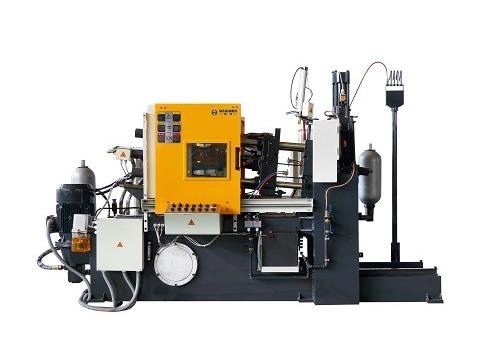
Hot chamber die casting advantages include high production efficiency, high quality and precision molding, low porosity and so on. Hot chamber die casting is an efficient and high-precision casting process that achieves rapid cycle production through a built-in furnace and immersion injection system. It is particularly suitable for the manufacture of small and complex parts made […]
What is the effect of high pressure die casting?
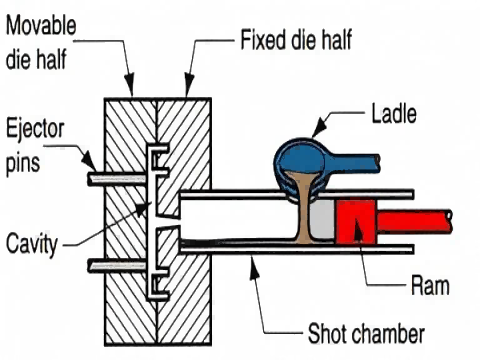
The Effects of High-Pressure Die Casting (HPDC): Advantages, Limitations, and Applications High-pressure die casting (HPDC) is a manufacturing process where molten metal is injected into a steel mold (die) under extreme pressure (typically 10–200 MPa). This method is widely used for producing complex, high-volume metal parts with tight tolerances. Below are the key effects of […]
Why is die casting so frequently used in manufacturing
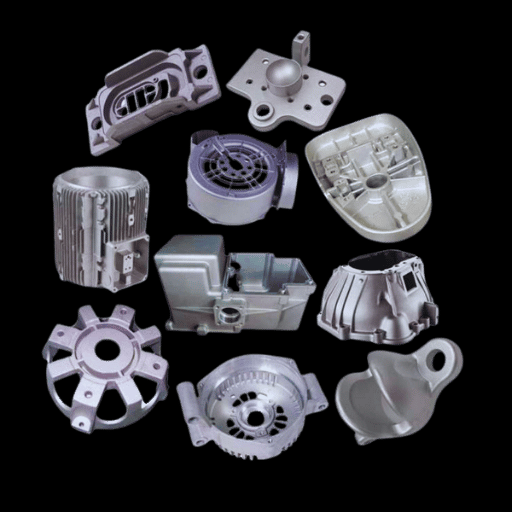
Die casting in manufacturing is a precision casting method in which molten metal is injected into a precision-designed mold under high pressure to form a part of the desired shape. Afterward,die-casting molds are typically made of tungsten carbide tool steel that is carefully machined to preset shapes. Basically ,the die casting process includes preparation, clamping, […]
Exploring the Differences in Die Casting

Exploring the differences in die casting involves comparing various aspects such as the types of metals used, the specific processes like hot chamber versus cold chamber, and the resulting characteristics of the final products in terms of strength, precision, and cost – effectiveness. Die casting is a versatile and highly efficient manufacturing process used to […]
How do we check the quality of an aluminium casting
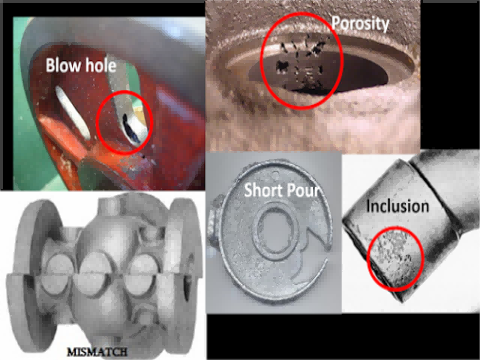
Checking the quality of aluminum castings is a complex process involving multiple steps and methods. Checking aluminium casting quality requires comprehensive use of multiple methods including visual inspection, dimensional measurement, internal detection, mechanical testing, and composition analysis. Visual inspection identifies surface defects. Dimensional measurement ensures assembly precision. X-ray and ultrasonic detect internal porosity. These checking […]
What is low pressure die casting?
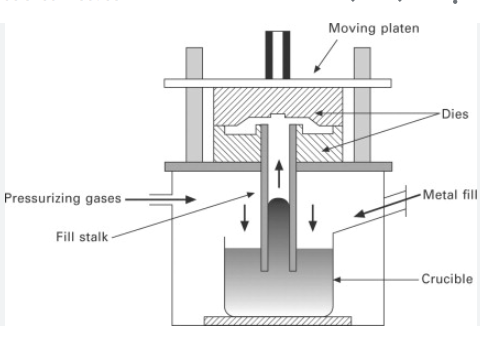
Low Pressure Die Casting (LPC) is an advanced casting technology mainly used to produce thin-walled and complex-shaped metal parts. This technology avoids the common problems of pores and oil bubbles in high-pressure casting by injecting molten metal into the mold at a lower pressure, while improving material utilization and product quality. Low pressure die casting […]
What is casting aluminum known as
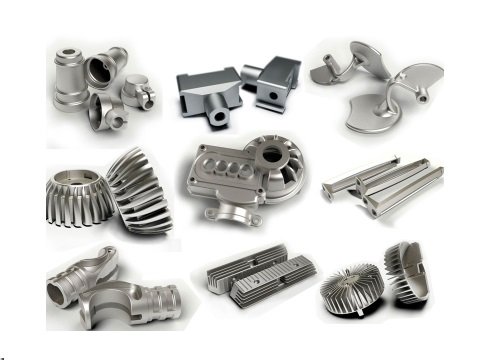
Cast aluminum is often referred to as “cast aluminum alloy”. Casting aluminum is a process method that involves pouring molten aluminum or aluminum alloy into a mold, followed by cooling and solidifying, to form aluminum parts of the desired shape. This is an aluminum alloy produced through a casting process that involves pouring molten aluminum […]
How to use 3D printing to make moulds for metal casting?
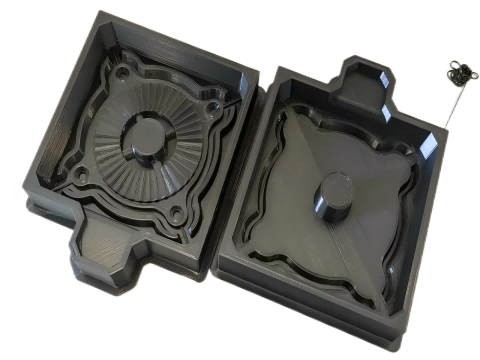
Using 3D printing to make molds for metal casting is a modern and efficient approach that combines the flexibility of additive manufacturing with the strength and durability of metal casting. This process is particularly useful for prototyping, custom parts, or low-volume production. Below is a step-by-step guide on how to use 3D printing to make […]
How do we check the quality of an aluminium die casting?
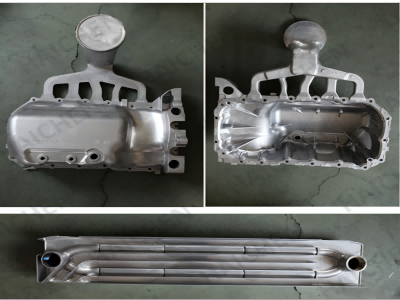
To ensure the quality of an aluminium die casting, a comprehensive approach involving multiple inspection techniques and adherence to industry standards is essential. The quality control process for aluminum die castings begins with raw material inspection. Aluminum alloys undergo comprehensive testing to ensure they meet specific standards for chemical composition, strength, heat resistance, and durability. […]
How to avoid shrinkage voids in aluminium casts?
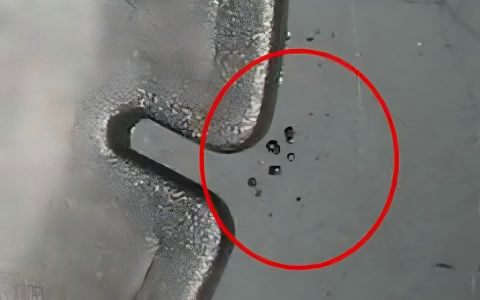
Avoid aluminium casts shrinkage voids includes optimize the design, control and control the cooling process and so on. To avoid shrinkage voids in aluminum castings, please see below following measures: 1. Avoid aluminium casts shrinkage voids: Optimize the design Avoid thick-walled areas: Thick-walled areas are more prone to shrinkage, which can form internal voids. Designers […]