Cast aluminum is often referred to as “cast aluminum alloy”.
Casting aluminum is a process method that involves pouring molten aluminum or aluminum alloy into a mold, followed by cooling and solidifying, to form aluminum parts of the desired shape.
This is an aluminum alloy produced through a casting process that involves pouring molten aluminum or aluminum alloy into a mold that, after cooling, forms a part with a specific shape.
Cast aluminum alloys often contain alloying elements such as silicon, copper, and magnesium to enhance their strength, corrosion resistance, and fluidity.
What is Cast Aluminum?
Cast aluminum is a term that denotes a part made from aluminum and/or other metals using one of the various casting processes.
Generally, most aluminum casting processes involve heating the aluminum and pouring them in molten form into a prepared mold with the desired product design.
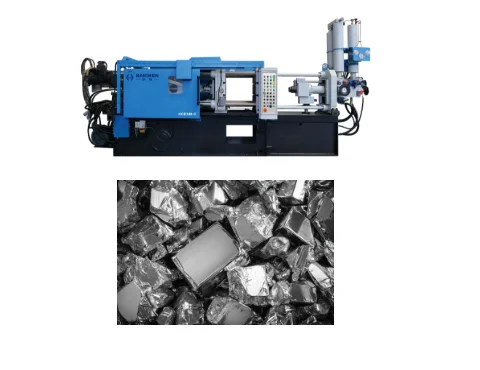
Afterward, the molten aluminum cools down, solidifies, and takes the shape of the cavity.
The aluminum cast has the properties of aluminum and the other metals.
Furthermore, it develops an external coating of aluminum oxide, which helps to prevent corrosion and it is stronger than the conventional aluminum material.
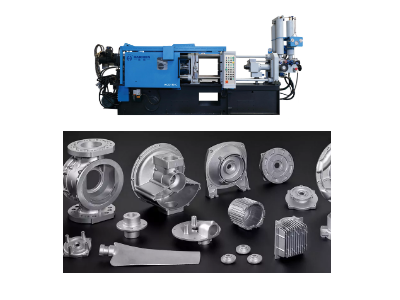
What is Die Casting?
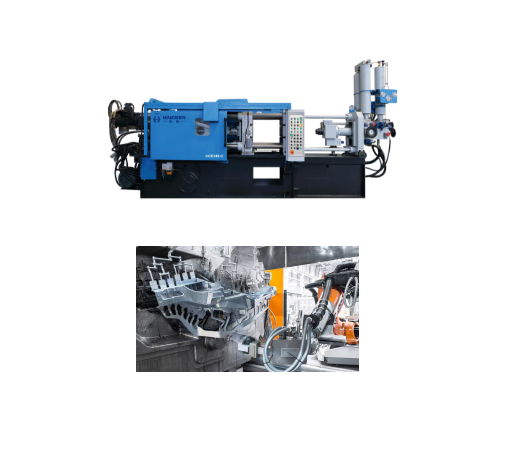
Die casting is the most popular aluminum casting process for casting aluminum parts.
There are two processes: low-pressure die casting and high-pressure die casting, with the latter being the most suitable for the material.
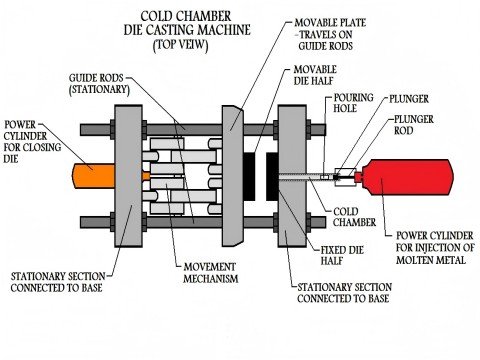
Die casting involves preheating the aluminum and injecting it under high pressure into a die mold designed according to the intended product.
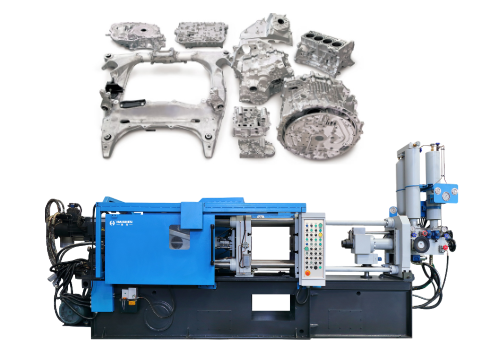
On cooling, the cast aluminum part is removed from the die, and the cycle is repeated after the die cools down.
One of the advantages of die casting is that the die-casted aluminum has excellent electrical and thermal conductivity.
Furthermore, they are strong and resistant to corrosion, wear, and heat.
Die-casted aluminum parts are applicable in the mass production of parts in culinary, aerospace, and medical industries.
If you want to know more about high-pressure casting, Haichen can help you with the answers.

Die-cast aluminum properties
- Lightweight
- High strength
- Corrosion resistance
- Thermal conductivity
- Machinability
- Cost-effective
- Diversity
Lightweight
Aluminum castings have a low density and are typically much lighter than steel.
Which makes them useful in applications that require weight reduction, such as the automotive and aerospace sectors.
High strength
Although aluminum itself is a lightweight material, the casting process can create aluminum castings with high strength, which is suitable for structural components.
Corrosion resistance
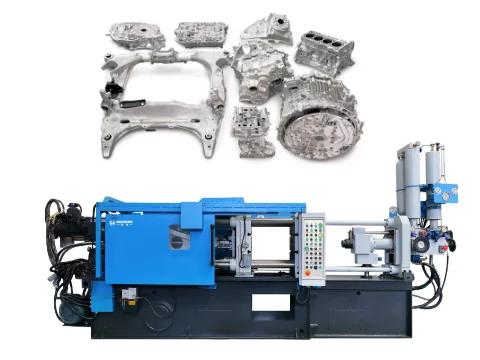
Air, water, and chemical media do not easily corrode casting aluminum, giving it excellent corrosion resistance in harsh environments
Thermal conductivity
Casting aluminum has high thermal conductivity, making it suitable for applications that require rapid heat dissipation, such as electronics and automotive engine components.
Machinability
Aluminum castings achieve a high surface finish and precision, meet usage requirements without excessive machining.
And exhibit excellent plasticity and ductility, enabling diverse modeling designs.
Cost-effective
Aluminium castings are relatively inexpensive to manufacture, suitable for high-volume production, and recyclable to further reduce costs.
Diversity
A variety of casting processes, such as sand casting, die casting, and low-pressure casting, can manufacture aluminum castings suitable for parts of different shapes and sizes.
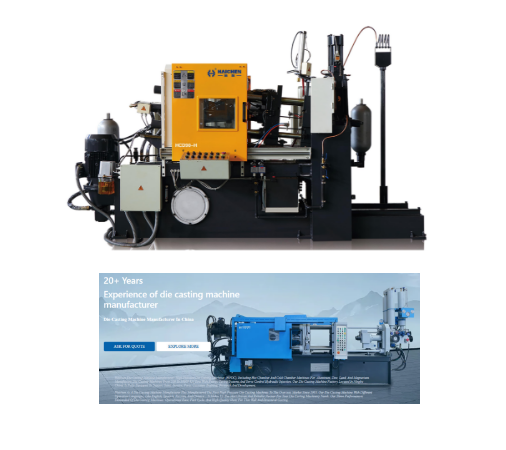
Casting aluminum wide application
Aucually,various industries widely use aluminum castings in automotive, aerospace, consumer electronics, construction, and rail transit.
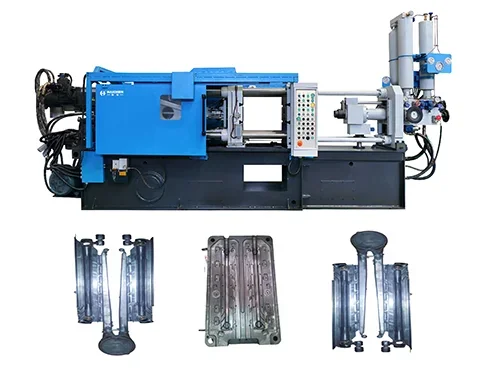
And other fields to meet the individual needs of different industries for performance, structure, size and appearance.
Haichen has designed and produced a large number of aluminum molds, such as aluminum road spikes, aluminum radiator panels, aluminum pots, and so on.

The production process of casting aluminum
- Raw material preparation
- Melting
- Core making
- Casting
- Cooling and demoulding
- Cutting
- Wet grinding
- Heat treatment
- Post-processing
- Inspection
Raw material preparation
First, select high-purity aluminum ingots or aluminum blocks, and carry out visual inspection and chemical composition analysis to ensure that technical standards are met.
Melting
Secondly, Workers heat the aluminum ingot to the melting point (usually 650°C to 750°C) in a furnace.
Technicians add the appropriate amount of alloying elements and additives, such as copper, zinc, etc., to adjust the composition and temperature.
The control system needs to maintain the temperature and composition during the melting process to prevent local overheating and uneven composition.
Core making
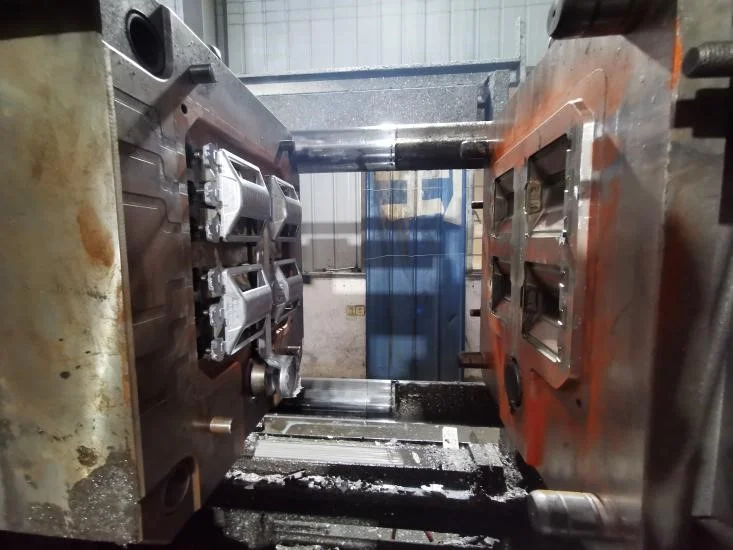
Then,in the core making process, the coated sand is heated to about 260 °C and injected into the mold to form a finished sand core.
Casting
Molten aluminum is poured into a pre-prepared mold and cast through a gating system such as a pouring cup, sprue.
The pouring speed and temperature need to be controlled during the casting process to ensure the quality of the casting.
Cooling and demoulding
After the casting is cooled and solidified in the mold, the demoulding operation is carried out.
After demolding, there may be oxide scale and burrs on the surface of the casting, which needs to be cleaned.
Cutting
Use a sawing machine or other cutting tools to remove the risers and excess parts on the blank casting to form a complete casting.
Wet grinding
Wet grinding is performed on the surface of the casting to remove burrs and oxide scales and improve the surface finish.
Heat treatment
Water quenching and tempering of castings to eliminate internal stress, adjust metal properties, and improve the mechanical properties of castings.
Post-processing
Including shot blasting, machining, surface treatment such as spraying, anodizing, electrophoretic coating, etc.
And quality inspection to ensure that the appearance and performance of the casting meet the requirements.
Inspection
Conduct physical examination and quality inspection of finished products, including size, appearance.
Mechanical properties, corrosion resistance, thermal conductivity and other tests to ensure that they can be put on the market.
The entire aluminum casting production process involves multiple links, each of which requires strict control of parameters and quality standards to ensure the quality and performance of the final product.
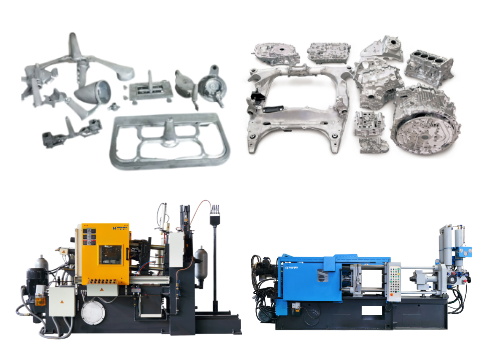
Advantages of cast aluminium parts
- Lightweight and durable
- High strength and corrosion resistance
- Good thermal and electrical conductivity
- High production efficiency
- Excellent economic effect
- Customizability and design flexibility
Lightweight and durable
Cast aluminium has a low density of only 2.7 g/cm³, which is much lighter than steel.
Which makes cast aluminium components particularly suitable for automotive, aerospace and other fields while maintaining strength while reducing weight.
High strength and corrosion resistance
Cast aluminum has high strength and hardness, and has good corrosion resistance in the atmosphere and seawater.
And is suitable for radar bases, aircraft engine casings, propellers and other components.
Good thermal and electrical conductivity
Cast aluminum has good thermal and electrical conductivity, making it suitable for applications that require heat dissipation or electrical connections.
High production efficiency
The production efficiency of die-cast aluminum parts is high, the machine productivity is high.
Then,the die-casting aluminum mold has a long life, and it is easy to realize mechanization and automation.
Excellent economic effect
The size of the aluminum casting is accurate, the surface is smooth.
Which reduces the processing equipment and man-hours, and improves the metal utilization rate.
Customizability and design flexibility
Cast aluminum can be easily molded into complex shapes and sizes to meet specific design needs, making it suitable for innovative solutions.


